
Emotional Design in UX: Creating Meaningful User Connections
In the middle of the ever-changing digital product competition, an application or website’s superiority can no longer be determined by the abundant features or an appealing visual look. Users also value a product based on their overall experience when interacting with it. Whether they feel comfortable, safe, or happy will be the deciding factor of a product worth reusing or not. This is where emotional design plays an important role.
An emotional design approach helps a digital product build a humane relationship with its users, ensuring the interaction is not rigid or just function-oriented. Products that can offer a positive emotional experience tend to be more memorable, trustworthy, and favored for the long term.
This article will explore the concept of emotional design in UX. It will also talk about the relationship between emotion and user experience, how design elements can trigger it, and the role it plays in increasing user loyalty to a digital product.
Table of Contents
- 1 Understanding Emotional Design Concept in UX
- 2 The Role of Emotion in Shaping the User Experience
- 3 Elements that Evoke Emotional Response in UX Design
- 4 The Example of an Emotional Design in Digital Products
- 5 Emotional Design as Loyalty Factor and Brand Differentiator
- 6 Conclusion: Create Meaningful UX Using an Emotional Approach
Understanding Emotional Design Concept in UX
Emotional design is an approach used in the field of UX design. The goal is to focus on how a product affects the emotions, feelings, and psychological responses of its users. This approach emphasizes not only the function and efficiency aspect but also pays attention to how the visual, interaction, and small details in a product create a positive emotion.
In UX practice, emotional design helps designers realize that the users are not only humans wanting to finish a task; they also have feelings, hope, and expectations when using a product. When a product is designed by considering the emotional side, user experience will feel more natural and meaningful.
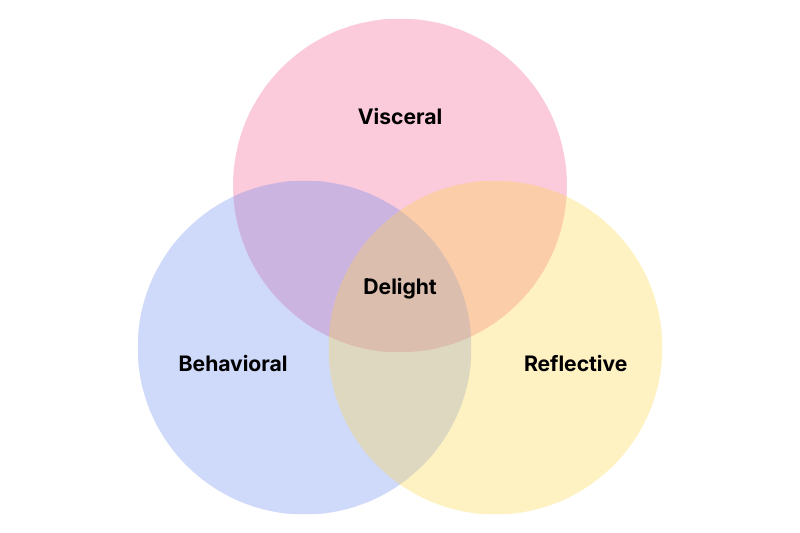
Generally, emotional design is divided into three primary levels. They complement each other in shaping the user experience.
- Visceral Level
It focuses on the first impression of the visual look, such as colors, illustrations, typography, and animations that can trigger user emotion. - Behavioral Level
This level relates to user experience when using a product, encompassing the ease of navigation, flow clarity, and interaction comfort. - Reflective Level
This level refers to a long-term impression after usage, including satisfaction, pride, or emotional attraction toward a product.
The Role of Emotion in Shaping the User Experience
Emotion has a significant impact on how people perceive and respond to a digital product. What influences user experience is not just the function of a product but also the emotion that arises when engaging with it. Positive emotional experiences can help users feel more connected and comfortable, prompting them to return and reuse the product.
Besides that, emotion also affects users’ decision-making moment. The feeling of trust and safety can quicken the decision to continue using the product, purchasing it, or recommending it to other people. On the contrary, negative emotion can lead to confusion and frustration that can make users choose to leave the product despite the complete features.
In this context, UX plays a role as the connector between product function and user feeling. A consistent design, clear interaction flow, and quick and predictable responding system help create a sense of safety. By implementing emotional design, UX will not only function as a navigating tool but also as a medium to build trust and emotional comfort.
Elements that Evoke Emotional Response in UX Design
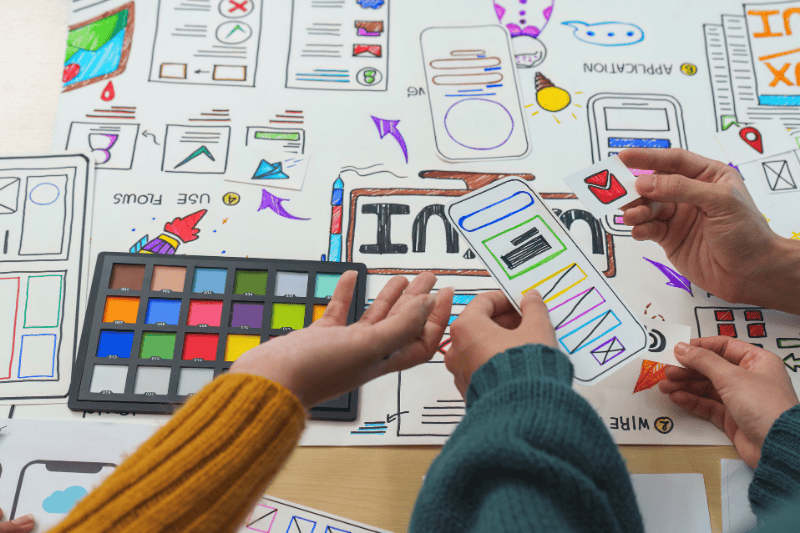
Various visual and interactive elements in design contribute to shaping user emotion when interacting with a digital product. Every detail, no matter how small, can affect perception and user feeling. The following are some essential elements we need to pay attention to:
The Role of Color, Typography, and Microcopy
Color and typography are able to evoke certain emotions, such as serenity, professionalism, or enthusiasm. The right color selection can create an emotional atmosphere that is harmonious with the product character. Meanwhile, microcopy, written in friendly and clear wording, is an important part of UX writing practice. It helps users feel understood and respected. The combination of proper visuals and text makes the interface feel warmer, more interactive, and more humane.
The Animation and Microinteractions as Emotional Feedback
Animation and microinteractions give visual responses to the user behavior, including when they press a button or finish a process. These elements help users understand that the system is responding to their actions well. When designed smoothly and not too excessively, animation will be able to create a satisfactory feeling while improving the emotional experience quality.
The Emphatic Interface Communication Tone
The way the interface communicates with users greatly affects what feeling will appear. The wording choice, language style, and consistent communication tone can definitely build trust. An interface that uses emphatic language that is easy to understand will make users feel accompanied, not just directed by the system.
The Example of an Emotional Design in Digital Products
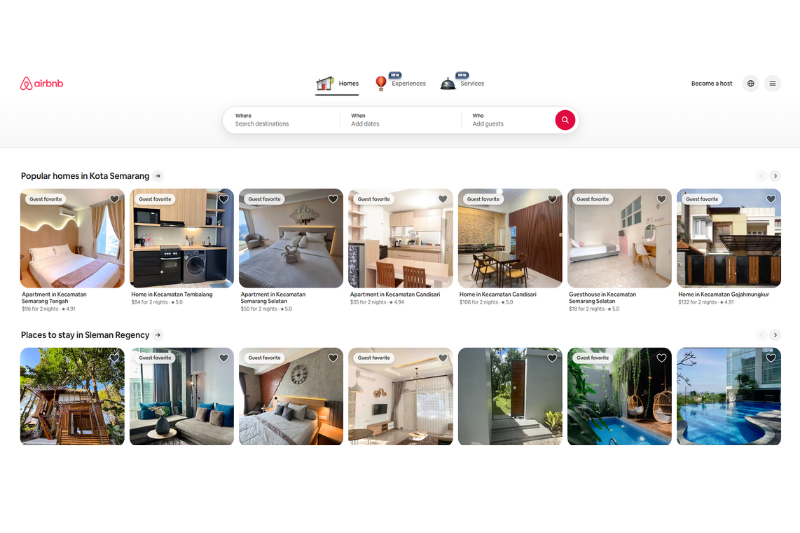
Certain digital products successfully establish a profound emotional connection with their users due to their consistent implementation of emotional design principles. Airbnb, for example, does not only offer places to stay. This platform also offers a sense of safety, trust, and connection between the guests and the homeowners. The use of authentic photos, stories behind the property rented, and a warm, inclusive language style help create a more personal and meaningful experience.
In the example above, we can conclude that emotional design is not just a visual element. This approach emphasizes understanding the relationship of context and emotion to the users in their journey. When empathy and clarity are delivered consistently, an emotional bond with users will be naturally formed.
We can also find this approach in other applications like Duolingo, Spotify, Netflix, and Notion. Just like Airbnb, these applications do not only focus on functions; they also focus on user emotion.
Emotional Design as Loyalty Factor and Brand Differentiator
Emotional relationships between users and products affect loyalty building. When an emotional design is applied well, users will not only feel satisfied with the function of the product but also feel connected with it. The feeling of comfort and being respected encourages users to stay longer, interact more often, and use the products as their main choices.
Besides that, emotional design also functions as the brand differentiator among all other brands with similar features. The consistent emotional experience helps brands build stronger and more memorable identities. As a result, they become a product that can deliver value and empathy to their users through a more relevant and humane design.
Conclusion: Create Meaningful UX Using an Emotional Approach
A great UI relates to not only the ease of use or the efficiency of interaction flow. More than that, a strong UX can create an emotional connection between users and the products. When the experience is fun, relevant, and feels humane, users will easily memorize it, and they will reuse the product.
This emotional experience is what gives a digital product added meaning. Details such as microinteraction, visual tone, and how products connect with users contribute to trust and loyalty. Finally, a successful UX (user experience) is one that not only works effectively but also evokes emotional responses from users.