
UI/UX Design Trends 2026: 10 Innovations to Change Digital Experience
The rapid development of digital technology has significantly transformed how users interact with tech-based products and services. In 2026, UI/UX design trends become more adaptive, intelligent, and focused on personalized experiences. The design isn’t only about aesthetics but also about efficiency, comfort, and relevance in each interaction.
Increasingly dynamic user behavior also influences the interface design process. Users now expect experiences that are quick, intuitive, and adaptable in real time. Therefore, understanding the development of UI/UX design trends is a strategic step for designers, developers, and businesses looking to stay competitive.
Here are 10 trend predictions shaping the future of digital experience in 2026. Understanding these trends will help you prepare a more relevant design and get ready to face future challenges.
Table of Contents
- 1 AI-Powered Personalization
- 2 Voice and Conversational UI
- 3 Spatial and Immersive Experience
- 4 Hyper-Minimalism 2.0
- 5 Advanced Micro-Interactions
- 6 Ethical and Inclusive Design
- 7 Dark Mode Evolution
- 8 Motion Design with Purpose
- 9 No-UI and Invisible Interfaces
- 10 Sustainable and Performance-Driven Design
- 11 Conclusion
AI-Powered Personalization
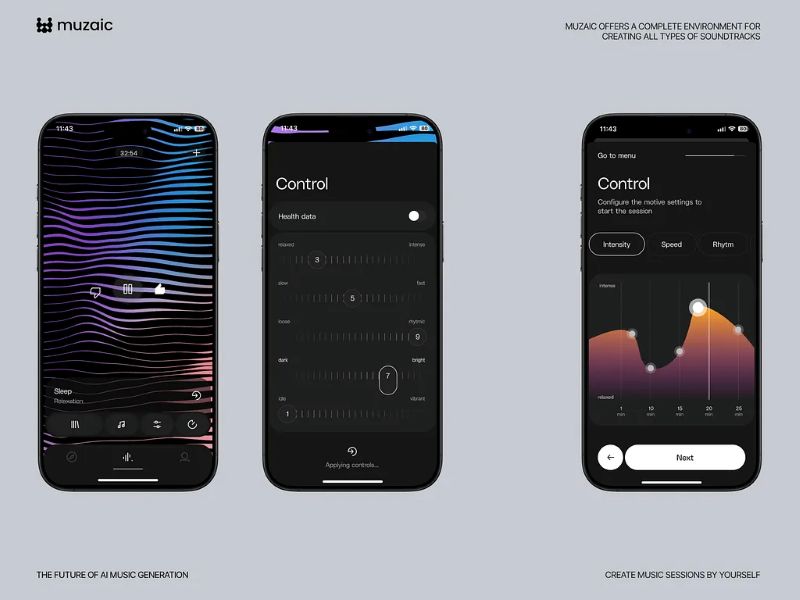
AI-powered personalization is one of the main UI/UX design trends in 2026, as it can provide a more relevant experience for users. Through user behavior data analytics and AI implementation, as discussed more in the AI in Design article, systems can adjust content, recommendations, and features displayed according to the needs of each individual.
Designers can use personalization in dynamic layouts and adaptive interfaces, in addition to content. The layout can change depending on the user’s preferences or context. As a result, the interaction seems more relevant, efficient, and comfortable.
Voice and Conversational UI
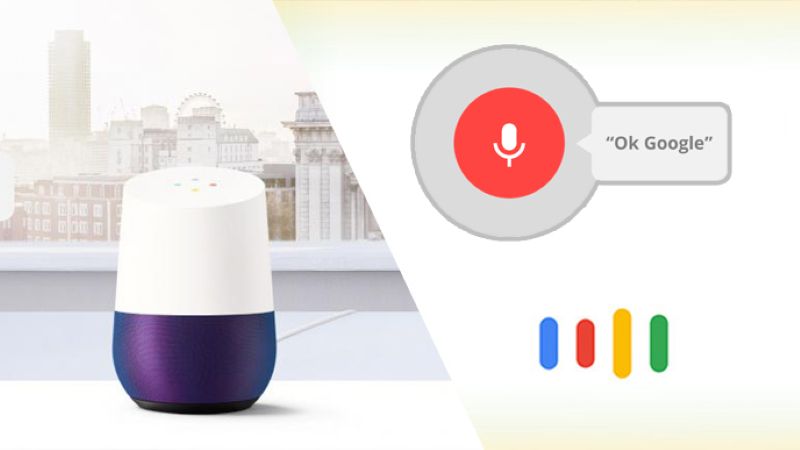
This trend evolves as the use of voice assistants in various devices increases. The integration of a voice assistant in applications allows users to navigate, search, or execute commands without having to touch the screen. This is especially helpful in multitasking situations or when manual access is limited.
Furthermore, the design of the chat-based interface now feels more natural and contextual. The conversation with the system no longer feels stiff, but rather like human dialogue. Natural Language Processing (NLP) enables conversational interfaces to better understand user intent and deliver relevant responses.
Spatial and Immersive Experience
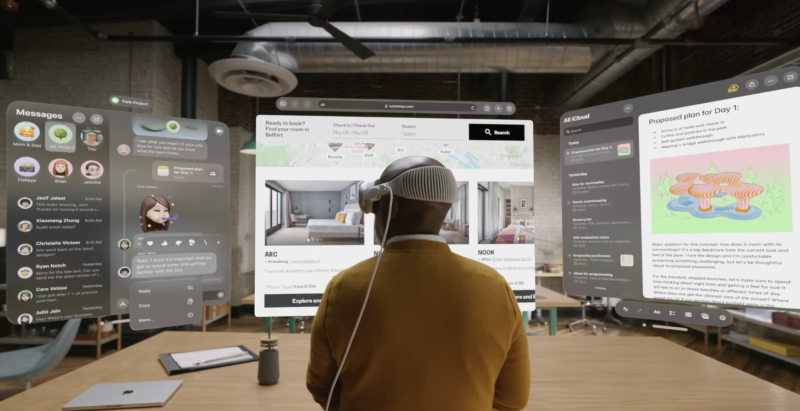
The development of augmented reality (AR) and virtual reality (VR) gives a deeper digital experience. In the context of UI/UX design trends, this approach helps the interface designing process that considers spaces, depth, and gesture-based interaction.
Designers are no longer limited to two-dimensional screens. The trends challenge designers to create experiences that integrate with the user’s environment through spatial computing concepts.
Hyper-Minimalism 2.0
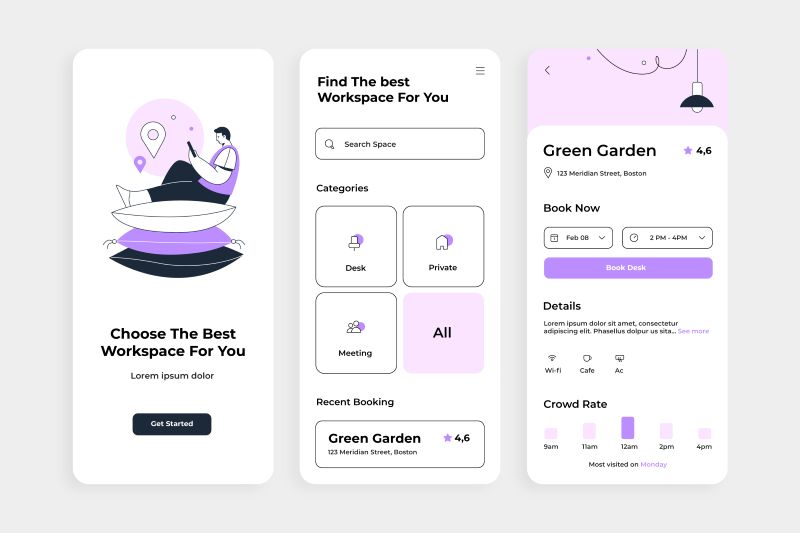
Hyper-Minimalism 2.0 is a refined evolution of the previous minimalist concept. The designs are now cleaner, with a focus on the functions and usability. Each visual element shown has a clear target, making the interface feel light and directed.
Reducing non-essential elements helps users understand content and navigation more quickly. This approach also improves app performance by streamlining visual and technical tasks. As a result, the user experience feels more focused, fast, and intuitive.
Advanced Micro-Interactions
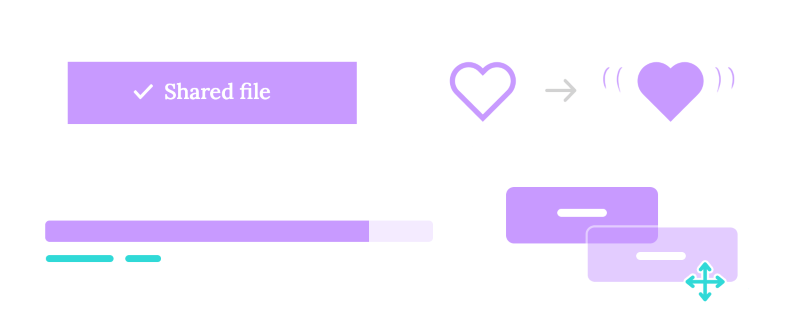
Micro-interactions evolve to become more subtle and contextual. Responsive animations are now designed to provide clear feedback when users perform actions, such as pressing a button, swiping a screen, or filling out a form. These small elements make interactions feel more natural and livelier.
In the context of UI/UX design trends, this trend also increases engagement. The right visual feedback can create a sense of control and satisfaction. Moreover, it also helps the users understand the system without reading long instructions.
Ethical and Inclusive Design
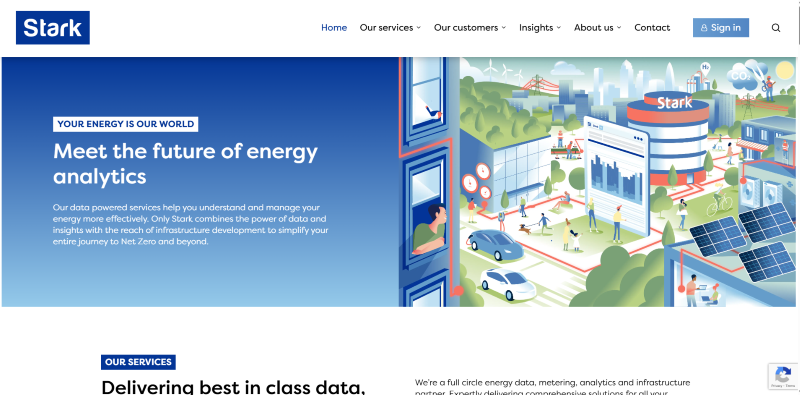
Ethics and inclusivity are key considerations in design development. An accessibility-first approach ensures products can be used by a wide range of users, including those with disabilities. Accessibility standards are no longer an optional extra but a core part of design strategy.
Furthermore, transparency in the use of data and artificial intelligence is becoming a crucial factor in building trust. This trend emphasizes that design must be responsible, not just visually appealing.
Dark Mode Evolution
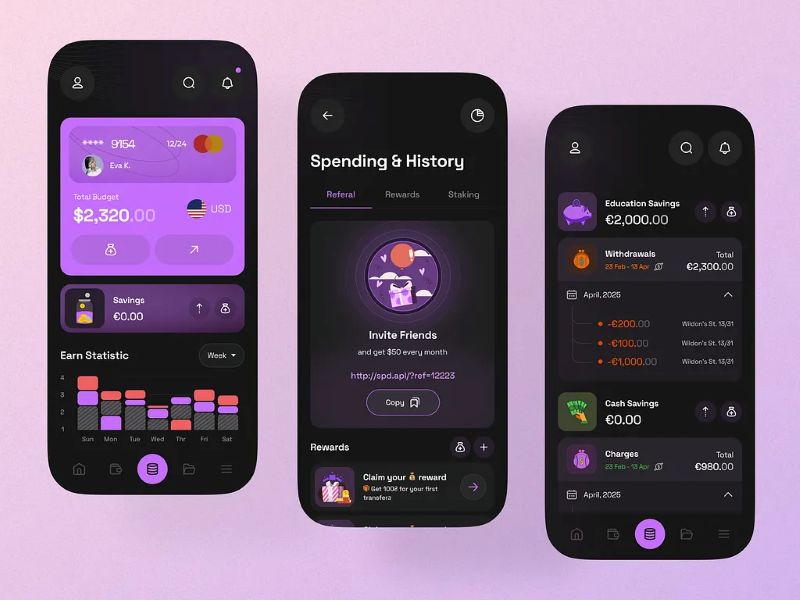
Dark mode evolves as a dynamic theme that can automatically adjust the brightness condition. The system adapts in real time to provide a more comfortable visual experience.
The focus of this evolution is eye comfort and energy efficiency, mainly in mobile and wearable devices. This approach shows that design trends are considering not only aesthetic but also the functional and sustainability aspects.
Motion Design with Purpose
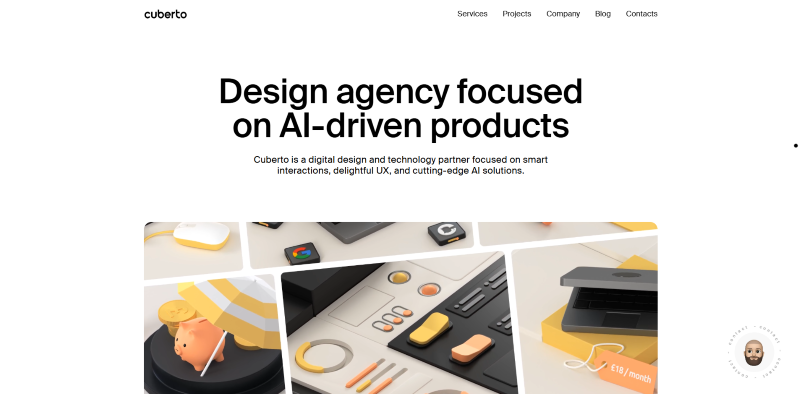
Motion design is now being used strategically as a navigation guide. Animation helps users understand the flow, transitions between pages, and changes in system status. Purposeful movement makes interactions feel smoother and easier to understand.
Beyond guiding, motion is also used for storytelling in UIs. Animation can strengthen brand identity while creating a more emotional and memorable experience for users.
No-UI and Invisible Interfaces
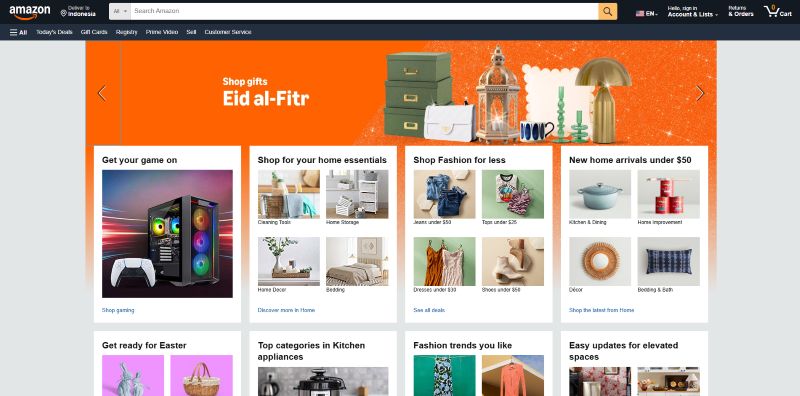
The no-UI concept is a gesture-, voice-, or automation-based interaction that reduces the need for a visual interface. This technology allows users to interact more naturally without depending on buttons or a traditional menu.
In the development of UI/UX design trends in 2026, invisible interfaces provide a more seamless experience. A smart automation system can predict the users’ needs and run the process without too much manual interaction, giving a more efficient and personal experience.
Sustainable and Performance-Driven Design
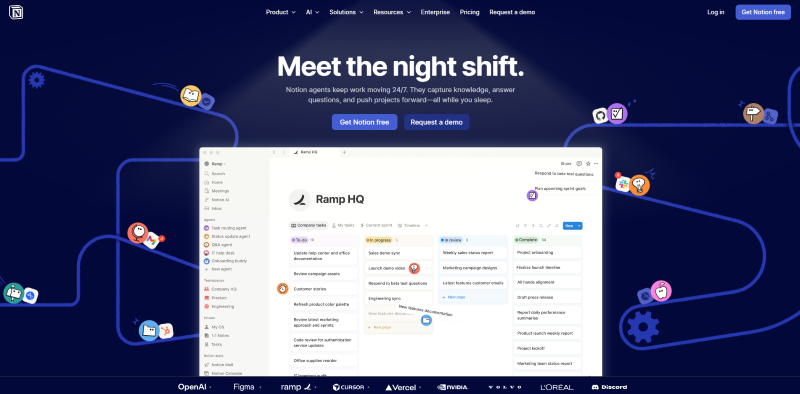
Sustainability becomes an important consideration in digital product planning. For example, a lightweight UI helps reduce energy consumption and speed up the application startup process.
Performance optimization increases users’ satisfaction and supports more eco-friendly technological practices. Therefore, a quick and stable design becomes a new standard in the digital industry.
Conclusion
The development of UI/UX design trends in 2026 showcases the shift to a more personal, immersive, and responsible experience. With those, design becomes the link between technology and human needs, not only a visual element.
The advancements, like artificial intelligence and spatial computing, will always shape how users interact with digital products. Thus, understanding the direction of UI/IX design trends early on is key for product teams to create relevant, adaptive, and sustainable experiences in the future.