
The Future of Wearable Technology and How It Shapes Our Lives
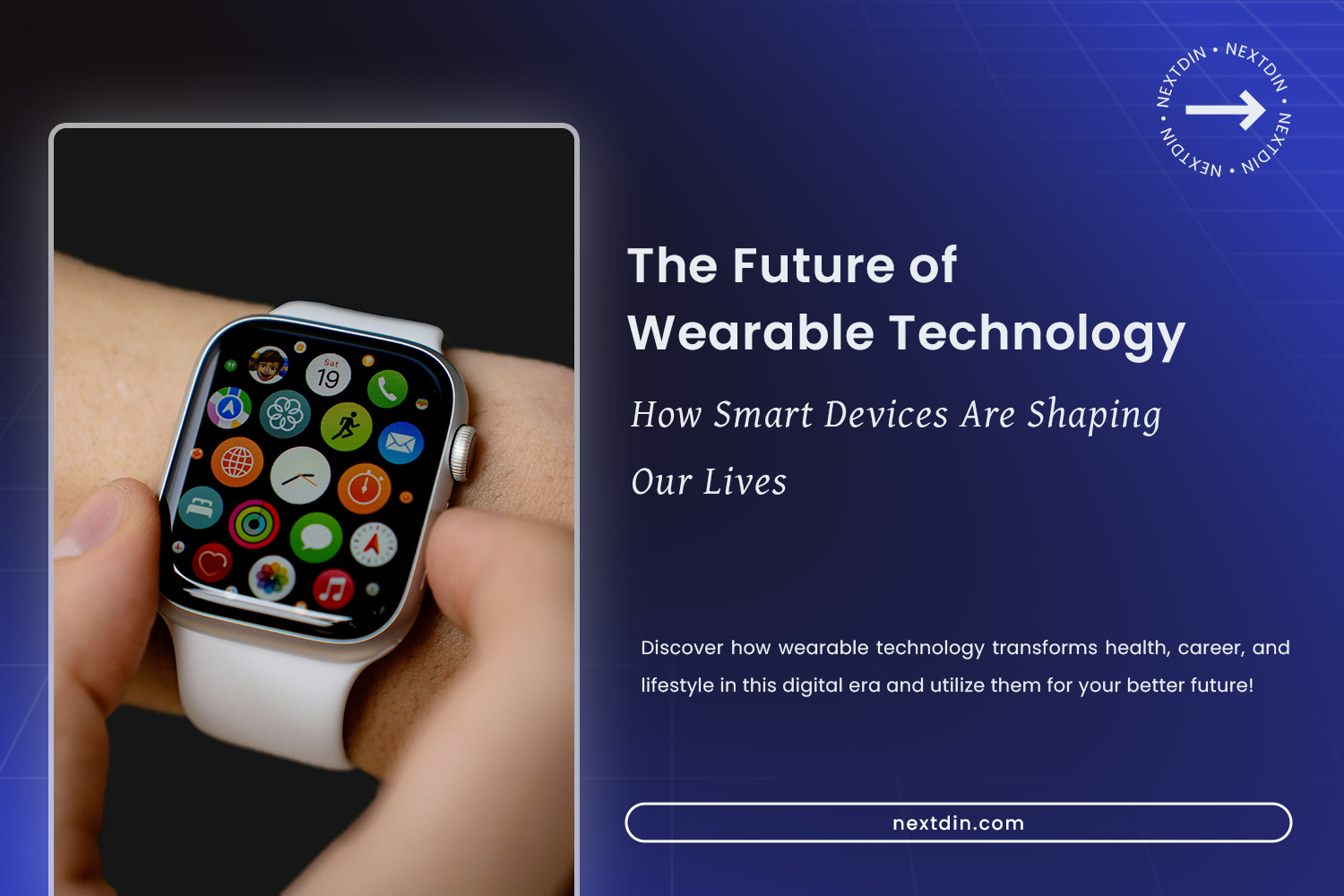
Wearable technology is a constantly emerging invention in today’s digital environment. This type of technology alters how people engage with information, providing real-time access and a more personalized experience. Furthermore, wearable technology allows us to obtain information about our health, physical activity, and other topics. That is why this technology has become an integral part of our daily lives.
Devices such as smartwatches and fitness trackers are no longer accessories but advanced tools to help users understand their bodies and activities well. The growing number of users demonstrates that this technology is more than a passing trend but rather an integral aspect of long-term digital change.
Given its rapid development, it’s important to understand what wearable technology is, its benefits and challenges, and how this innovation is impacting human life in the modern era. This article will discuss the role, the impact it has, and even examples of the most popular wearable devices currently available.
Table of Contents
What is Wearable Technology?

Wearable technology is an electronic device that can be worn directly in humans’ bodies and is designed by gathering, processing, and showing data in real-time. The purpose is to ensure that users can stay connected with digital information without having to use big devices such as mobile phones or computers.
Wearable devices span from smartwatches that track health metrics and deliver notifications to fitness trackers that log daily activities and monitor sleep quality. There are also smart glasses that overlay visual information in real time and hearable devices like smart earbuds equipped with voice control and health-tracking sensors.
The development of wearables began with simple devices like pedometers and has now evolved into smart systems integrated with AI (artificial intelligence) and IoT (Internet of Things). This makes wearables not just assistive tools but also part of a smart living ecosystem that strengthens human connectivity with technology.
The Advantages of Wearable Technology

Wearables offer various advantages that are applicable in daily lives. Here are some of the benefits:
Increase Health and Fitness
The biggest advantage of wearable technology is helping the users monitor health in real time. Smartwatches and fitness trackers are able to track heartbeat, steps taken, sleep patterns, and physical activity daily. The date is then used to make a healthier lifestyle recommendation. For example, Apple Watch and Fitbit can provide abnormal heart rate alerts, remind users to take breaks, and offer exercise recommendations based on the user’s body performance.
Improve Productivity
Wearables help users manage time and work more efficiently. Users can access message notifications, meeting schedules, and task reminders directly from their wrists. This allows users to focus on work without having to constantly check their phones.
Support Safety and Security
Some wearables have emergency sensors that can detect when we fall so suddenly, have an extreme heartbeat change, or have an accident. In certain conditions, these devices will automatically send SOS signals or the user’s location to their emergency contact. These features help elderly, children, or patients with certain medical conditions.
Personalization and AI Integration
Another advantage of wearable technology is its ability to provide increasingly personalized experiences through integration with artificial intelligence (AI). Wearable devices can learn user behavior patterns, such as sleep habits and exercise routines. Based on this data, the devices can automatically adjust recommendations. This method makes wearables feel like digital personal assistants that understand their users’ preferences and needs.
The Disadvantages of Wearable Technology

Even though this technology has many benefits, wearables have certain disadvantages at hand:
Privacy and Data Security
One of the main issues is the risk of privacy data leak, such as biometric information and user location. This data is at risk of misuse if not protected by encryption and a strong cybersecurity system.
Dependency Towards Technology
Too much wearable usage can trigger dependency and digital exhaustion. Most users depend on notification and health monitoring data, increasing stress or worry about their body condition.
Accuracy and Data Validity
Not all wearable devices are capable of providing truly accurate measurement results. Under certain conditions, such as during intense exercise or extreme temperature changes, the sensor’s performance can decline, resulting in data that is not entirely valid. These factors can lead to misunderstandings in the interpretation of users’ health data.
Price and Accessibility
Most wearable devices are pricey, particularly those with AI-based abilities. This factor makes wearables unaffordable for many users. Additionally, support for additional devices and services, such as app subscriptions, increases the cost of use.
The Impact of Wearable Technology to Our Lives
Positive Impact of Wearable Technology
Wearable technology has increased people’s awareness of health and life balance matters. With heartbeat, sleeping pattern, and physical activity features, users will be more aware of the importance of maintaining body balance.
Wearables also encourage an active lifestyle by incorporating a step counter and motion reminder functions. Furthermore, wearables allow healthcare professionals to efficiently monitor their patients even when they are far away.
Negative Impact of Wearable Technology
On the other hand, massive privacy data gathering can inflict privacy risk. If this data falls into the wrong hands, information misuse could occur. Additionally, constant tracking can lead to stress and a loss of balance between technology and real life.
The Impact of Wearable Technology on Industry and Education Fields
In the industrial field, wearable technology is used to improve job security and training efficiency. For example, smart glasses and smart helmets make it possible for workers to directly view instructional guides in the field without needing additional devices.
Meanwhile, in education, wearables play a role in virtual reality (VR) and augmented reality (AR)-based learning experiences. This technology allows students to interact with lesson materials in a more immersive and interactive way.
The Examples of Popular Wearables Technology
Some of the most popular wearable technologies that are used are as follows:
Smartwatch
Smartwatches, such as the Apple Watch and the Samsung Galaxy Watch, have become the most popular wearable devices today. Aside from serving as a timer, these watches can also monitor health, answer calls, and connect to smart home gadgets.
Fitness Tracker
Devices like Fitbit and Xiaomi Smart Band focus on tracking users’ physical activity. With features like step counters, heart rate monitors, and sleep tracking, fitness trackers help maintain fitness in a practical and measurable way.
Smart Glasses
Augmented reality (AR) technology enables smart glasses such as Meta Ray-Ban, Google Glass, and Vuzix Blade to bridge the gap between the real and digital worlds. These technologies let users see digital information directly and literally before their eyes.
Hearables
Hearable devices like Bose Frames, Sony LinkBuds, and Apple AirPods Pro not only function for listening to audio but also come equipped with AI assistants and health sensors. Some of these tools can even monitor your heart rate or ambient noise levels.
Smart Clothing
Smart clothing such as Levi’s Jacquard, Hexoskin, and Nadi X Yoga Pants are complete with biometric sensors planted on the fabric. This technology makes it possible to measure bodily data, including heartbeat, breathing, and body postures, in real time.
Conclusion: The Future of Wearable Technology
Wearable technology is estimated to continue to grow rapidly and be an inseparable part of humans’ lives in the future. With their increasingly sophisticated capabilities, wearable devices will not only be used for monitoring health or physical activity but will also play a role in education, security, and even personal data management.
However, the advancement should be balanced with ethical responsibility and data protection. Users need to wisely use the technology so that they will not lose their privacy and life balance.
Using wearable technology wisely will provide us with many benefits, but we must do so without sacrificing our humanity. The smart and responsible use of the technology ensures that it will mostly bring positive impacts for the future.
To read more about technology and digital innovation, visit Nextdin’s blog and find many other insights!